
Field notes & guides
What we get asked on the phone, written down. Buying guides, comparisons and troubleshooting notes covering core drilling and coring systems, drilling fluids and additives, downhole surveying, ground support, grinding media, mine haulage and the logistics of keeping a remote site supplied.
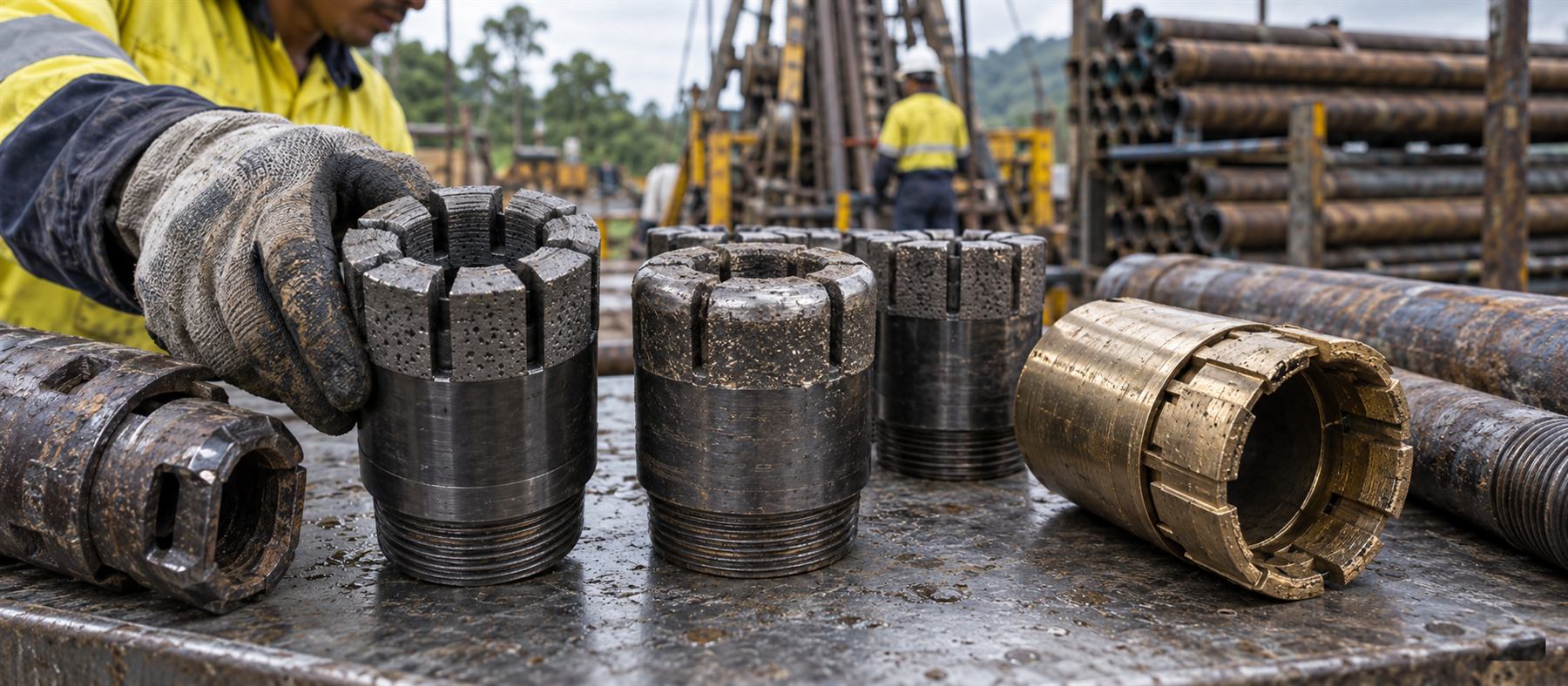
Buying guide
Choosing the right impregnated diamond bit for your ground
Matching bit matrix to rock hardness, and what it costs you when you don’t.
6 min read
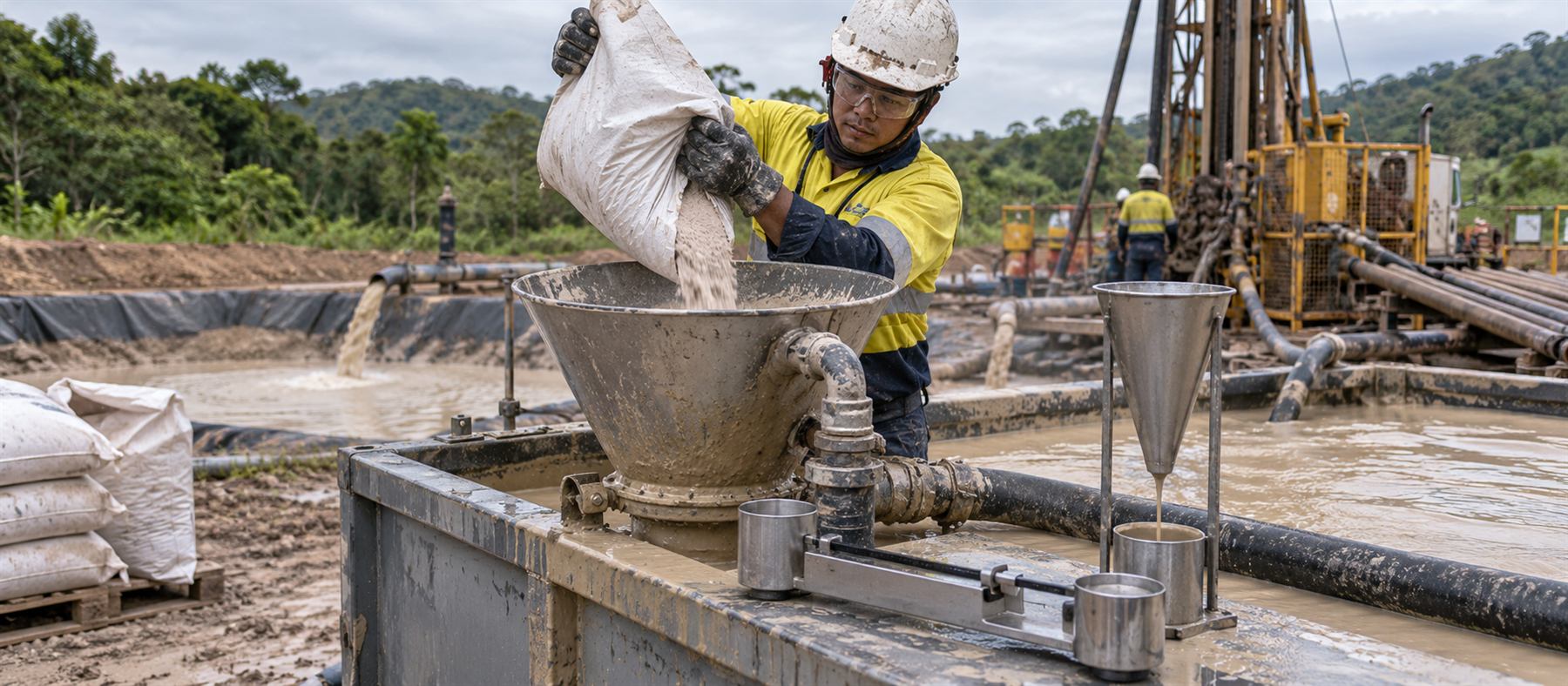
How-to
Setting up a drilling fluid program that holds the hole
Polymer selection, mix ratios, and reading returns on a struggling hole.
6 min read
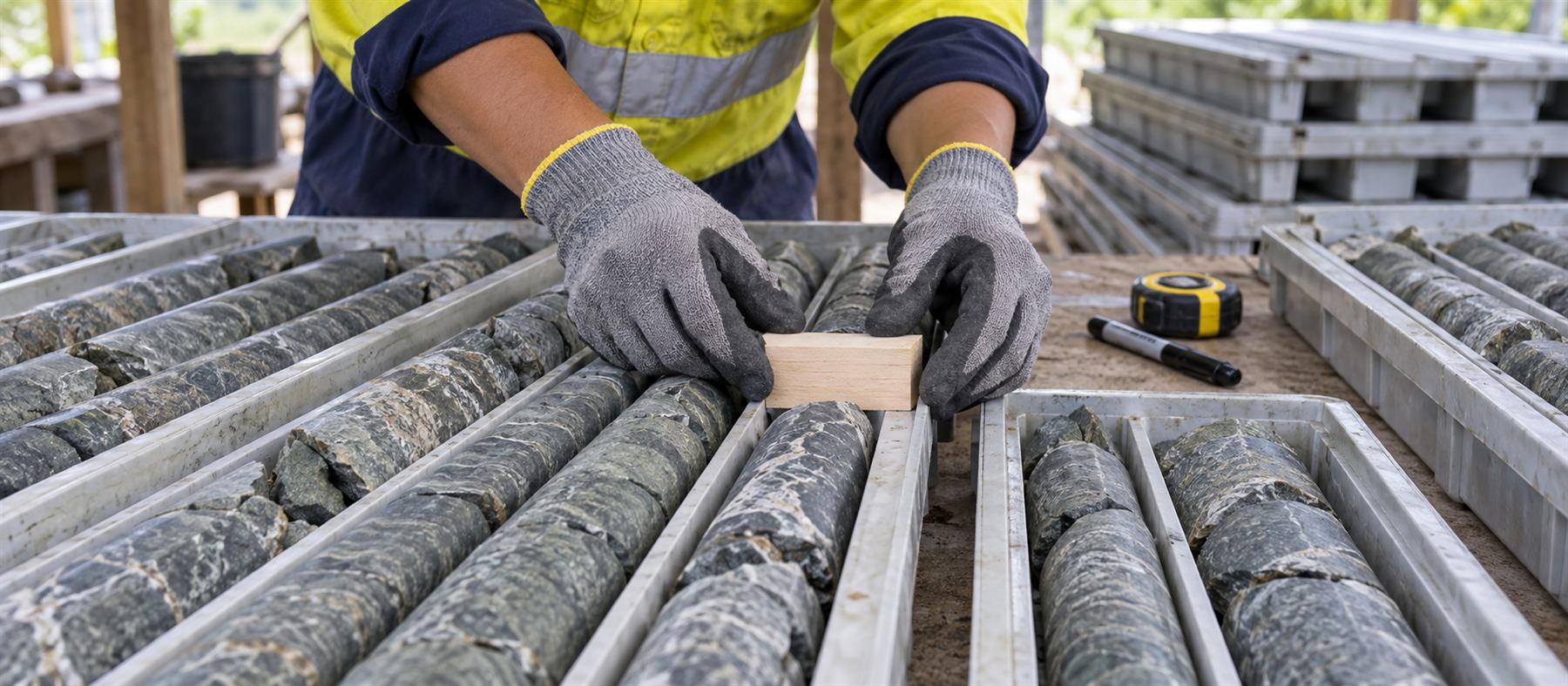
Field notes
Core handling that survives the trip to the logging shed
Tray selection, orientation marking, and stacking for long-term storage.
4 min read
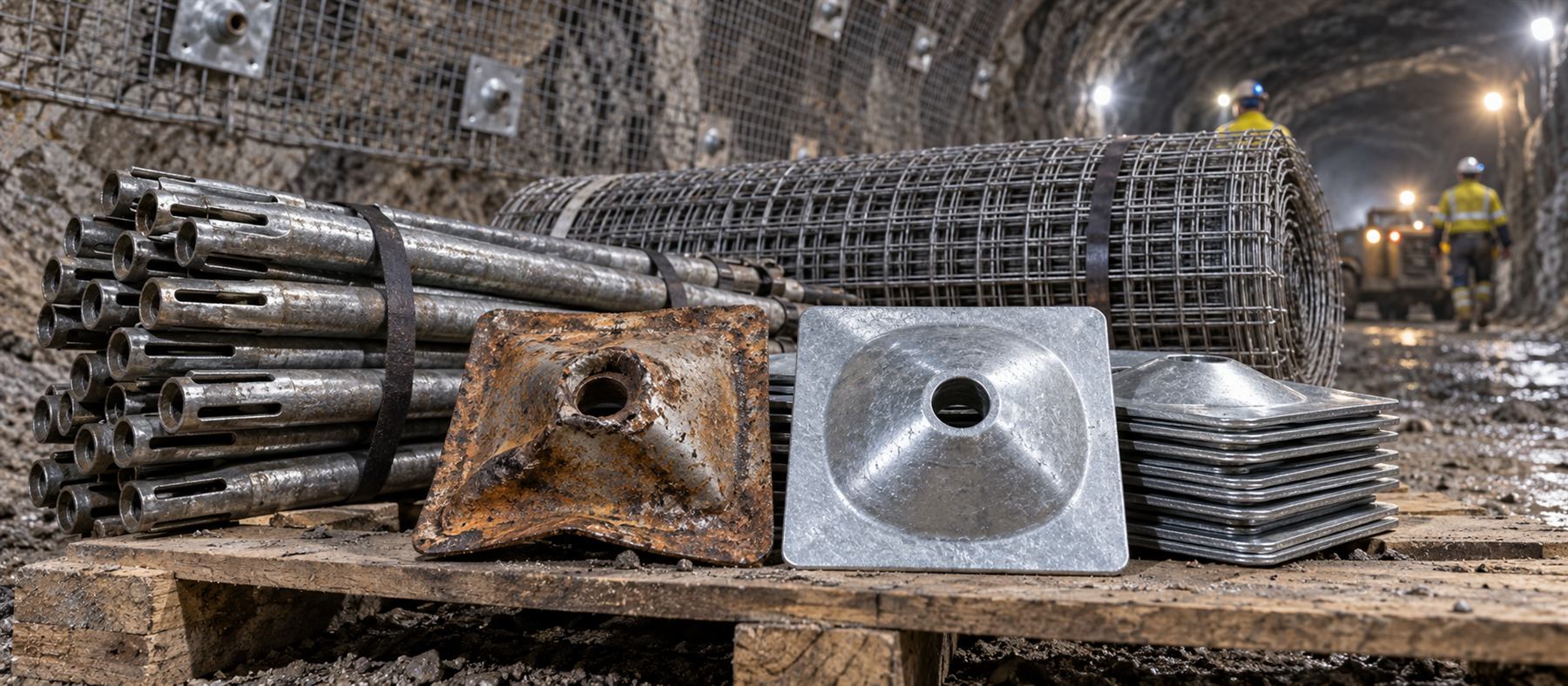
Maintenance
Ground support consumables: when to replace, not repair
Inspection intervals for friction bolts, plates, and mesh underground.
5 min read
Comparison
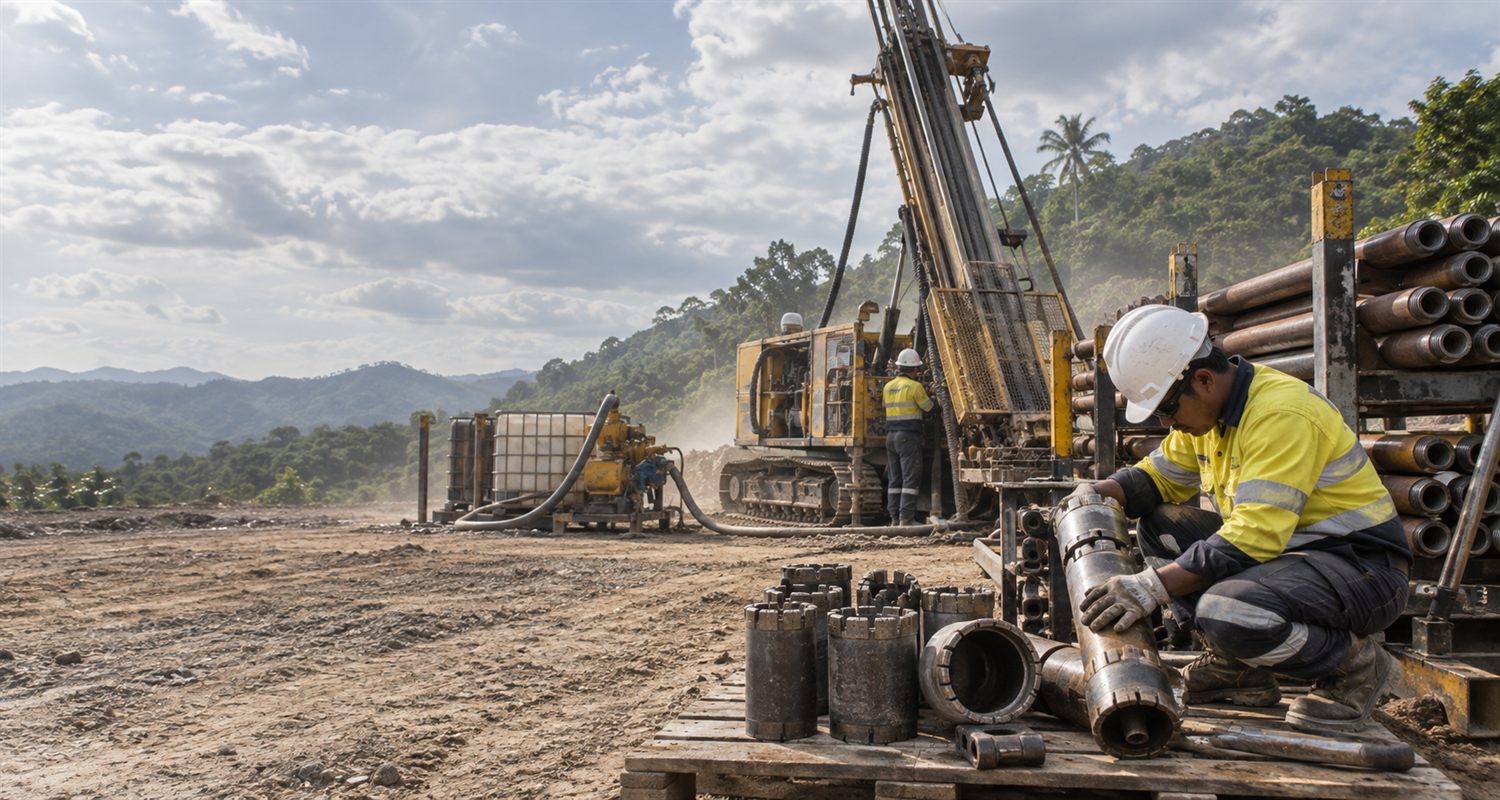
Wireline or conventional core drilling: which one the program needs
What each system costs you in trip time, capital and core quality, and the holes where conventional still wins.
5 min read
Buying guide
BQ, NQ, HQ, PQ: choosing a core size and living with it
Core and hole diameters for the standard wireline sizes, and the trade-offs that should decide which one you drill.
4 min read
Comparison
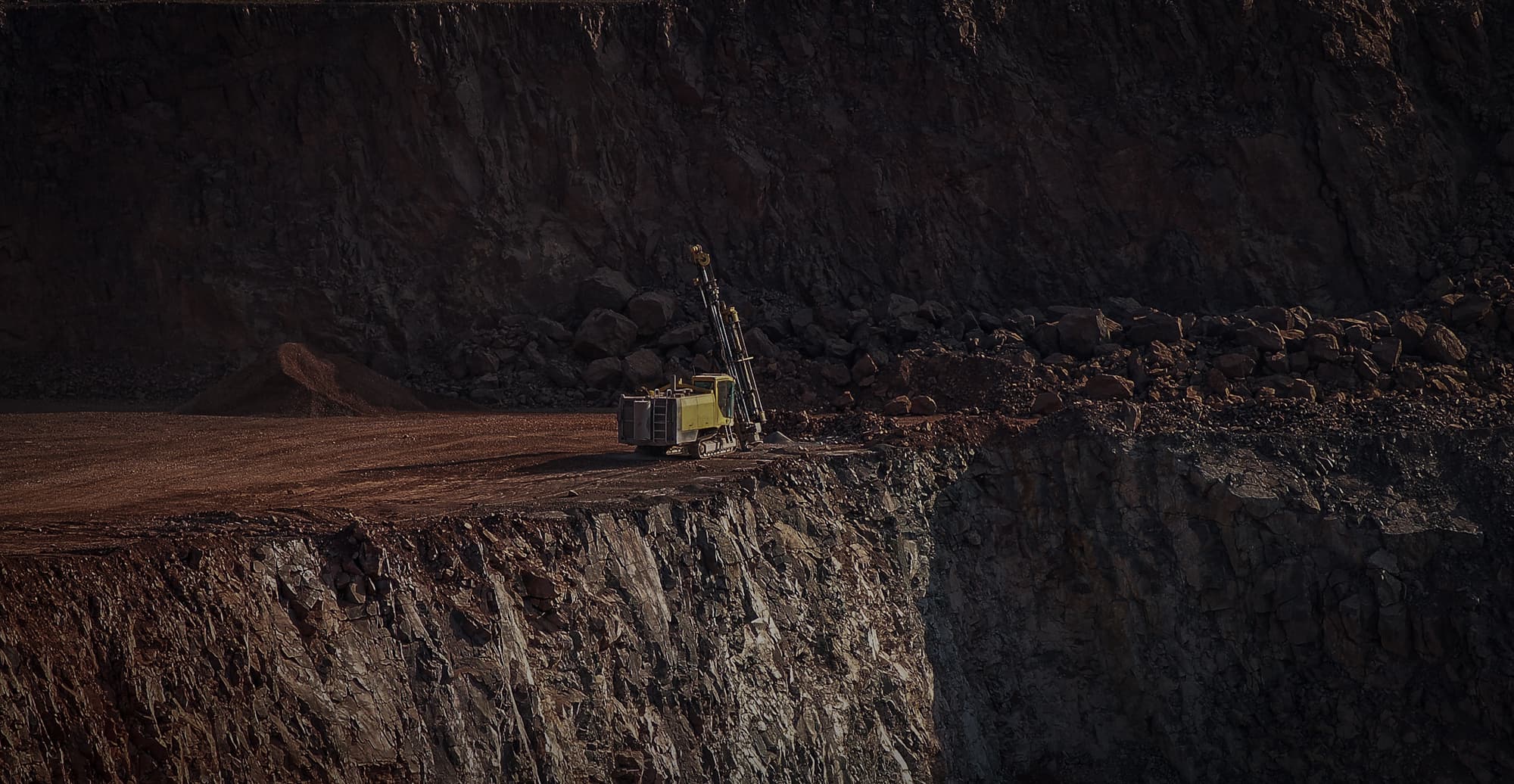
Reverse circulation or diamond coring: picking the right hole
Where RC is the cheaper, faster and entirely adequate answer, and where it quietly costs you the deposit.
4 min read
Maintenance
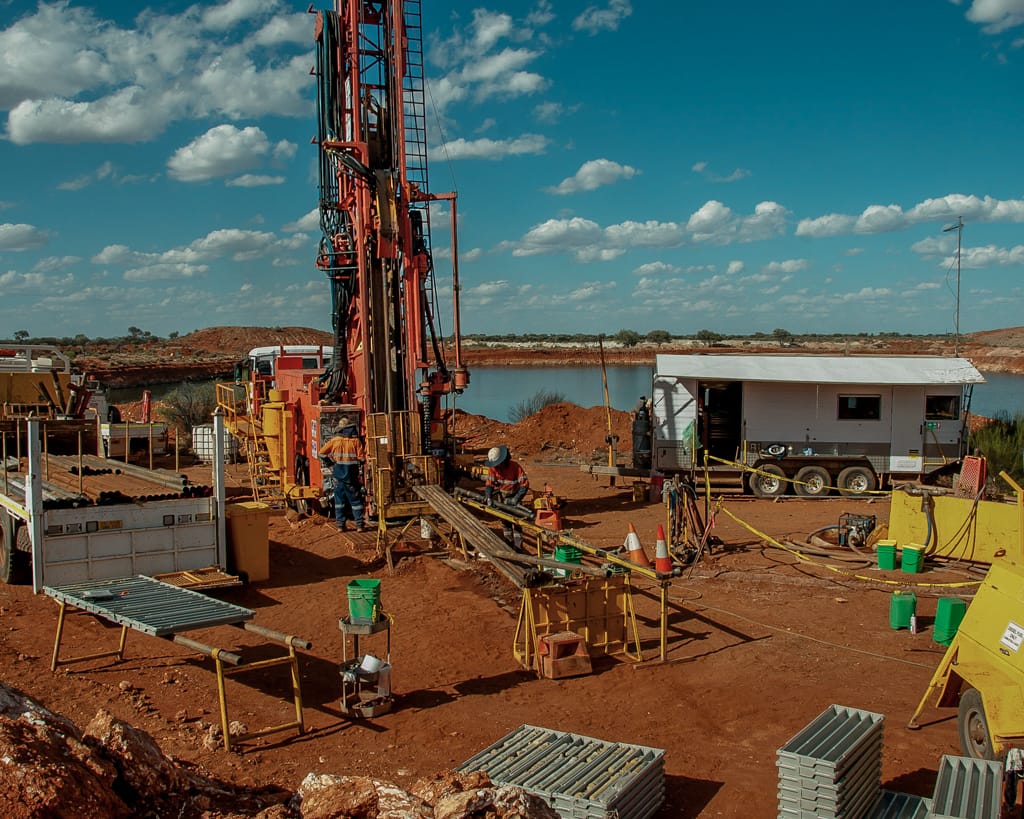
Why drill rods fail at the thread, and what it costs to stop it
Galling, washouts and fatigue cracks all start in the same place. Most of the causes are handling, not metallurgy.
4 min read
How-to
Designing a casing program for unstable ground
How to plan the telescope before you collar, and what it costs when the hole decides for you at 150 metres.
4 min read
Troubleshooting
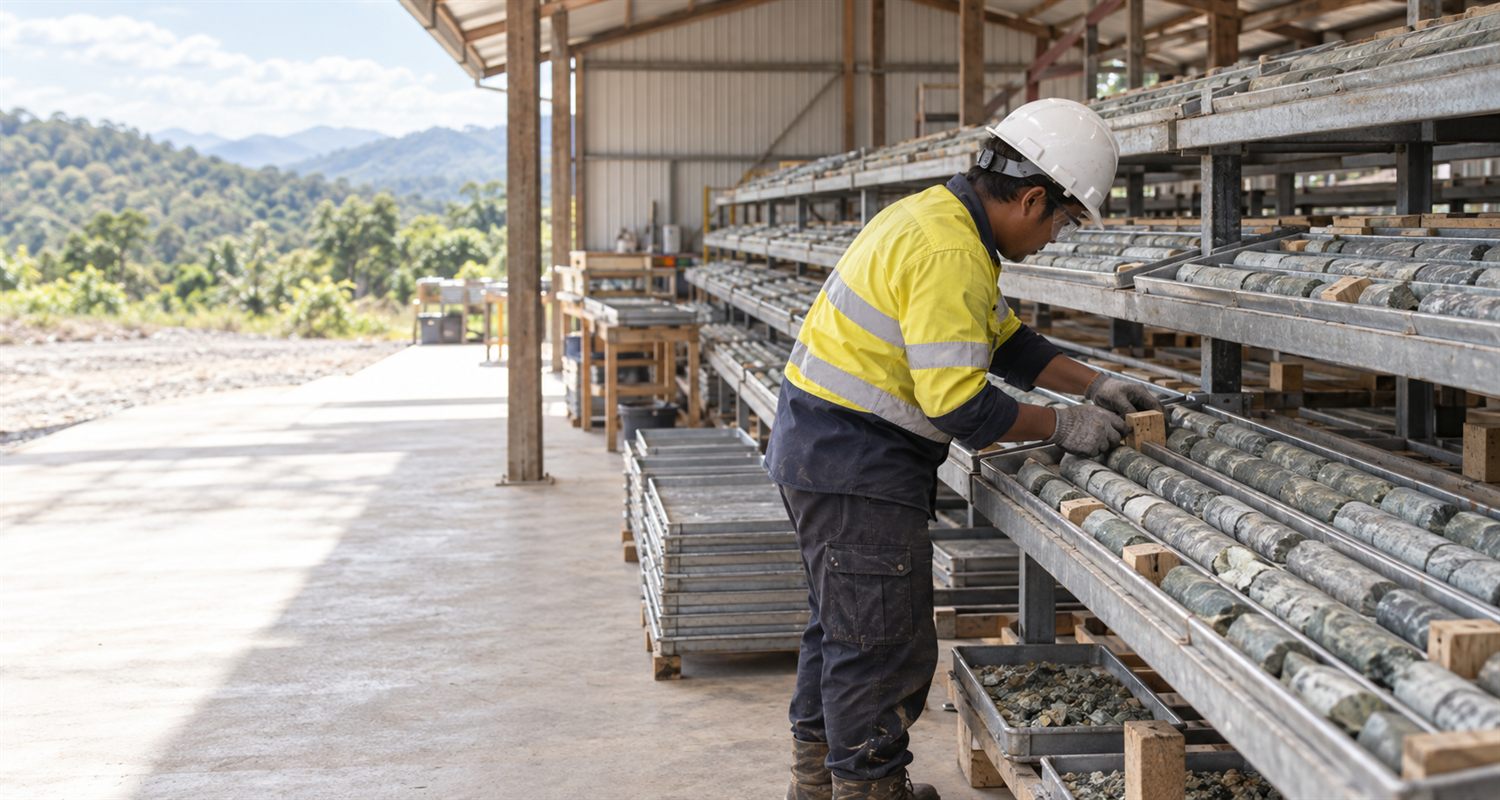
Poor core recovery: what to check, in order
Recovery falls for about six reasons. Working through them in the right sequence saves a shift of guessing.
5 min read
Field notes
Core orientation you can defend
The measurement is only as good as the mark, and the mark is only as good as the core stub. How to keep both honest.
4 min read
Buying guide
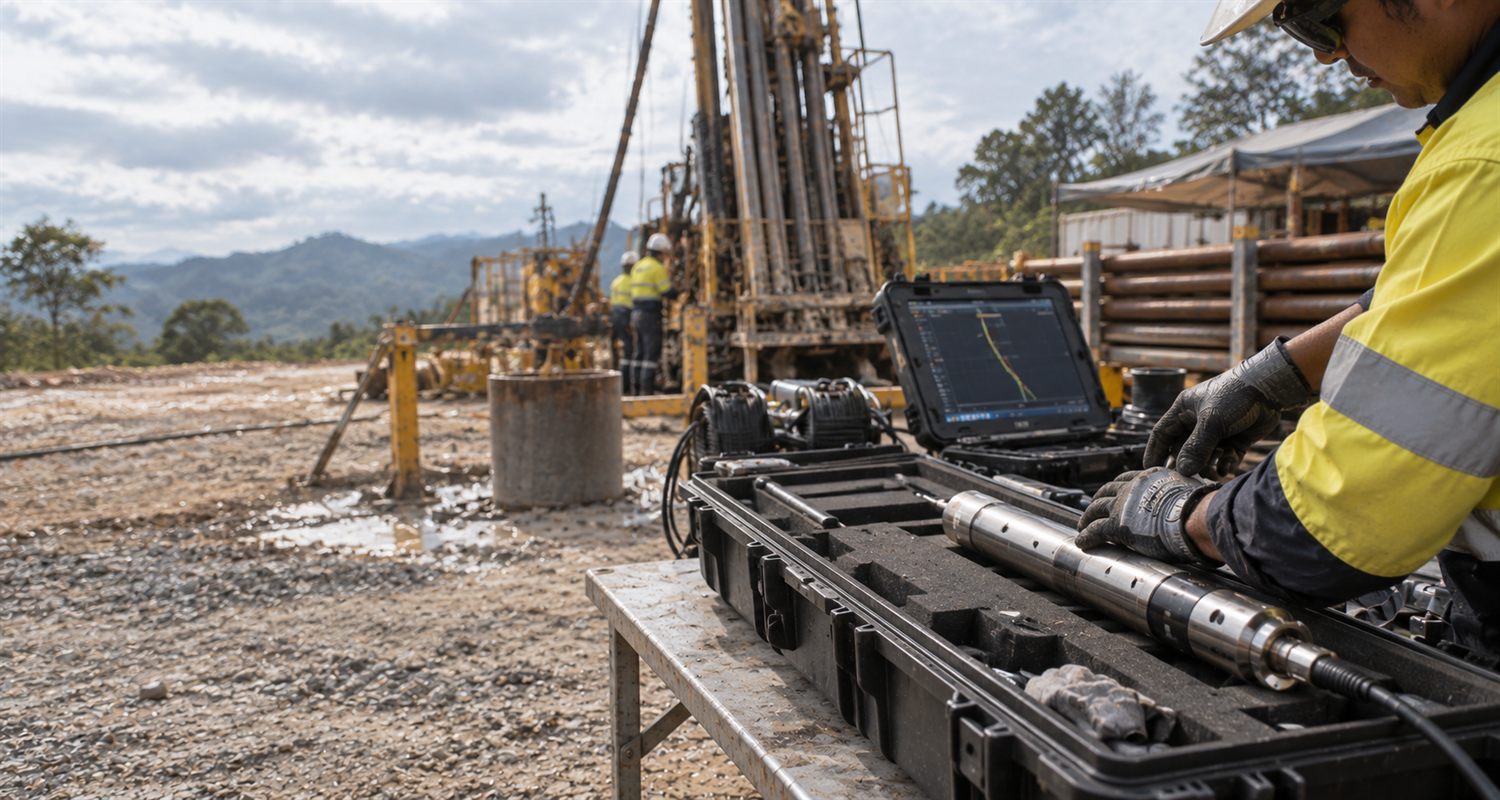
Downhole surveying: magnetic tools, gyros, and when each one is valid
A magnetic survey in magnetite or inside casing is not a slightly worse survey. It is a wrong one.
4 min read
How-to
Cutting core cleanly: choosing and running diamond saw blades
Blade bond follows the same backwards rule as a drill bit, and a badly cut half is a sampling error nobody logs.
4 min read
Comparison
Bentonite or polymer: choosing a base fluid
One builds a wall, the other keeps clay from swelling. Most holes need a bit of both, and knowing which is doing the work.
4 min read
Troubleshooting
Losing returns: a decision tree for lost circulation
Match the treatment to the size of what you are losing fluid into, and stop throwing product at a hole that needs casing.
4 min read
Field notes
Four mud tests worth doing every shift
Funnel, balance, sand content and pH. Twenty minutes a shift, and they catch almost everything before it becomes a stuck string.
4 min read
How-to
Drilling reactive clays and shales without swelling the hole shut
Tight hole, balling bits and rising torque are one problem with a chemical cause, and water is what starts it.
4 min read
How-to
Foam and air drilling: getting cuttings out of a dry hole
Foam lifts what air alone cannot, at a fraction of the annular velocity. Getting the quality right is most of the job.
4 min read
Maintenance
Rod grease, thread compound and hammer oil: small spend, big consequences
Three cheap consumables that decide the service life of three expensive ones. Most sites get at least one of them wrong.
4 min read
Buying guide
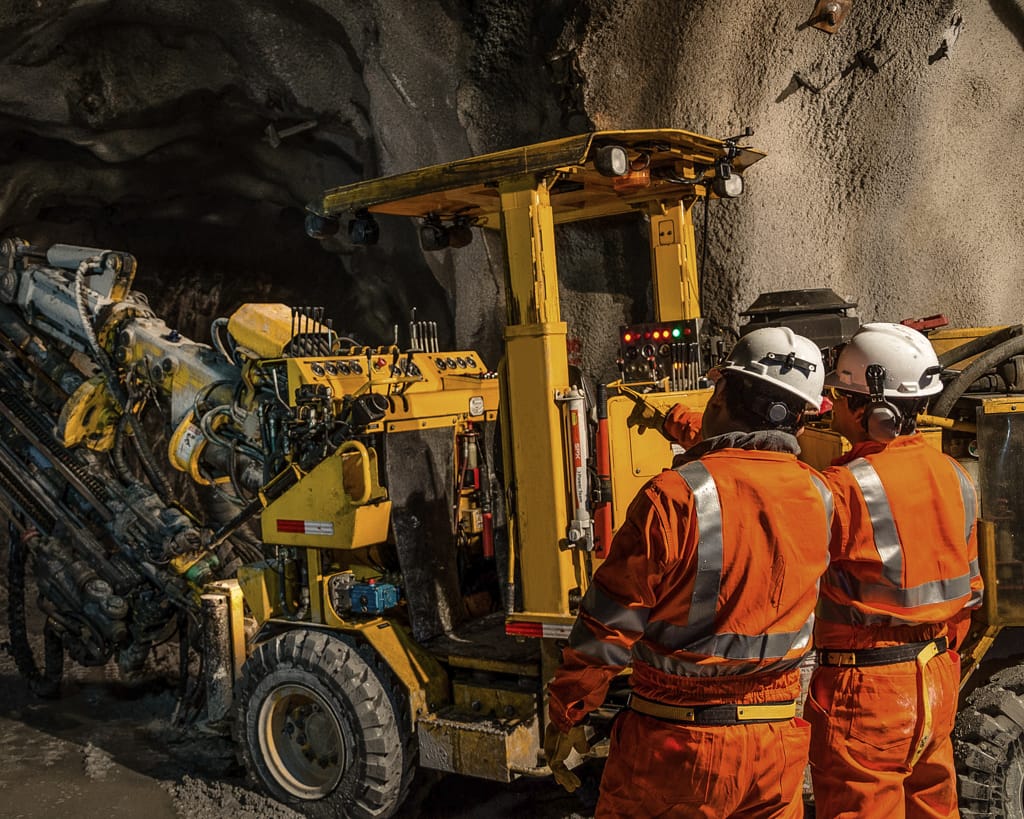
Grinding media: choosing ball size, alloy and charge
Media is one of the largest consumable lines in the plant. Cheaper balls are frequently more expensive per tonne milled.
4 min read
Maintenance
DTH hammers and bits: getting the hours you paid for
Most hammers are killed by air quality, lubrication and a worn bit left in too long — in that order.
4 min read
Maintenance
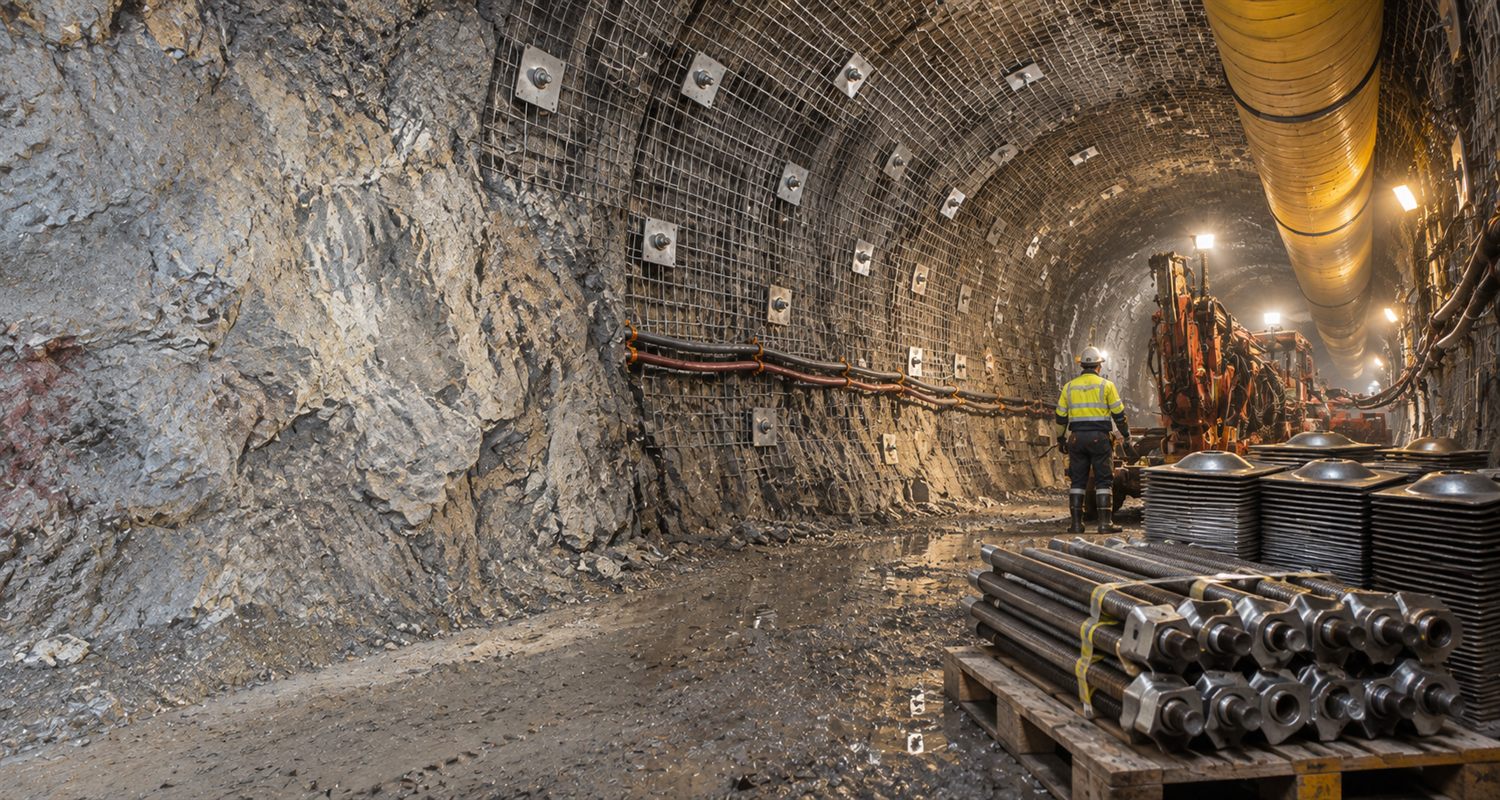
Mine rail and haulage: the consumables that stop the derailments
Gauge spread, worn fishplates and a blocked drain cause most of them, and all three are cheap to fix on a schedule.
4 min read
Field notes
Hydraulic hose failures, and why crimping on site changes the arithmetic
Hoses rarely fail from pressure. They fail from routing, contamination and an assembly that was never matched properly.
4 min read
Procurement
Keeping a remote site supplied: lead times, stock and cost per metre
What to hold, what to order against, and why the cheapest quote is frequently the most expensive delivery.
5 min read
Not covered here?
Most of these started as a question from a site. If yours is not answered, our team in Davao and Laguna will take the call and, often enough, write the next one.
Talk to usLooking for the products themselves?
Everything referenced in these guides is in the catalogue, from bits and core trays to fluids and ground support consumables.
Browse the catalogue